
Exploring the historical evolution of casinos milestones and transformations

Exploring the historical evolution of casinos milestones and transformations
The Origins of Gambling and Early Casinos
The history of gambling dates back thousands of years, with evidence of games of chance appearing in ancient civilizations such as Mesopotamia and China. Archaeological findings, including dice made from animal bones, indicate that the human inclination towards wagering has deep roots. As societies evolved, so did their forms of gaming, with the creation of rudimentary games that laid the groundwork for modern gambling. By the time the Roman Empire flourished, gambling had become a popular pastime, with betting on gladiatorial contests and chariot races prevalent among citizens. Notably, players today can also enjoy various options at jokaviproom-casino.com.
In the Middle Ages, gambling took on a more organized form. The establishment of gambling houses in Europe, particularly in Italy, marked a pivotal shift. These early casinos catered to the wealthy elite, offering luxurious settings where patrons could indulge in various games. The Casino di Venezia, built in 1638, is considered the oldest operating casino in the world and exemplifies this era’s opulence. These establishments not only served as venues for gaming but also became social hubs where nobles gathered, contributing to the evolution of leisure and entertainment.
The 18th century witnessed the emergence of more structured forms of gambling, with the introduction of games like baccarat and roulette. The popularity of these games propelled the establishment of dedicated gaming houses across Europe, particularly in France. The gaming laws of this era began to formalize regulations surrounding gambling, signaling a significant transformation in how casinos were perceived by society. Gambling evolved from an underground activity to a legitimate, albeit controversial, aspect of culture.
The Rise of Las Vegas and the Modern Casino Era
The 20th century heralded a new era for casinos, with Las Vegas emerging as the epicenter of gambling in the United States. The legalization of gambling in Nevada in 1931 marked a critical milestone in the casino industry. This allowed for the establishment of lavish resorts and casinos that catered to tourists seeking excitement and entertainment. Iconic establishments like the Flamingo and the Sands began to set the standard for what a modern casino could be, combining gaming with luxurious accommodations, fine dining, and live entertainment.
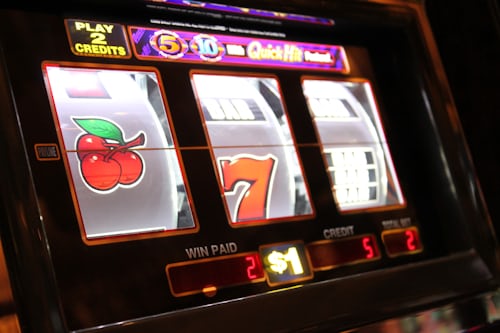
The transformation of Las Vegas from a desert town to a global gambling capital was propelled by the concept of themed casinos. In the latter half of the 20th century, resorts like Caesars Palace and The Venetian began to offer immersive experiences, transporting visitors to different cultures and eras. The integration of entertainment, from celebrity performances to extravagant shows, further solidified Las Vegas as a premier destination for gamblers and vacationers alike. This era also saw the introduction of modern slot machines, which revolutionized the gaming experience and became a staple of casinos.
The influence of Las Vegas extended far beyond its borders, inspiring the development of casino resorts in other locations, including Atlantic City and international destinations. The combination of gambling, entertainment, and hospitality established a new business model that many resorts around the world sought to replicate. As casinos began to embrace technology and marketing strategies, they attracted a broader demographic, transforming the gambling landscape into a multi-billion dollar industry.
The Impact of Technology on Gambling
The advent of technology in the late 20th and early 21st centuries has dramatically changed the gambling experience. The introduction of online casinos in the mid-1990s marked a significant milestone, allowing players to engage in gaming from the comfort of their own homes. This shift not only increased accessibility but also fostered a new generation of players who preferred the convenience of digital gambling. Online platforms offered a variety of games, from virtual slot machines to live dealer games, creating a comprehensive gaming experience.
Furthermore, the rise of mobile technology has transformed how individuals engage with gambling. With smartphones and tablets, players can now enjoy their favorite games on the go, leading to an explosion in mobile gaming. Apps designed for casinos provide instant access to a wide range of gaming options, enhancing user engagement and interaction. This evolution has necessitated that traditional casinos adapt by incorporating technological features, such as electronic tables and loyalty programs that integrate with mobile devices.
Additionally, advancements in data analytics and AI have allowed casinos to personalize the gaming experience. By analyzing player behavior and preferences, casinos can tailor their offerings to meet the desires of their clientele. This not only enhances customer satisfaction but also fosters loyalty. The integration of technology has redefined the gambling industry, creating new avenues for growth and innovation that were once unimaginable, cementing the importance of staying ahead in a rapidly changing environment.
The Regulation of Casinos and Responsible Gaming Initiatives
As the popularity of gambling has surged, so too has the need for regulation and responsible gaming initiatives. Governments around the world have implemented various laws and guidelines to ensure fair play and protect consumers from the potential harms of gambling addiction. Licensing procedures have become more stringent, ensuring that only reputable operators can run casinos, both online and offline. This regulatory landscape aims to maintain the integrity of the gambling industry while providing a safe environment for players.
Responsible gaming initiatives have also gained momentum, with casinos introducing measures to promote safe gambling practices. These may include self-exclusion programs, setting deposit limits, and providing resources for individuals seeking help for gambling-related issues. Such initiatives reflect the industry’s recognition of its social responsibility and commitment to ensuring that gambling remains an enjoyable form of entertainment rather than a harmful addiction.
Moreover, international collaborations among regulatory bodies have emerged to combat illegal gambling operations and promote fair gaming standards. These partnerships enhance information sharing and best practices among jurisdictions, fostering a more equitable global gambling environment. As the industry continues to evolve, the balance between regulation, responsible gaming, and the enjoyment of gambling remains a focal point for stakeholders and players alike.

Online Casinos: The Future of Gambling
The landscape of gambling is undeniably shifting towards online platforms, a trend that has accelerated in recent years. The convenience of playing from anywhere, coupled with the extensive range of games available, has drawn a significant number of players away from traditional brick-and-mortar casinos. Online casinos not only offer an array of options, including slots, table games, and live dealer experiences, but they also provide enticing bonuses and promotions that attract new customers. This shift has created a competitive environment that encourages innovation within the industry.
Moreover, the integration of virtual reality and augmented reality technologies presents exciting opportunities for the future of online gambling. These advancements promise to enhance the immersive experience of gaming, allowing players to engage in a more interactive environment that simulates a physical casino. As technology continues to advance, the gaming experience is poised to become increasingly engaging, attracting a broader audience and expanding the market.
In addition, the rise of cryptocurrencies and blockchain technology has begun to influence the gambling sector. With their promise of secure and anonymous transactions, cryptocurrencies have garnered attention from online casinos looking to appeal to tech-savvy players. Blockchain technology can enhance transparency and fairness in gaming, providing players with more trust in online platforms. As these trends evolve, the future of casinos will likely be marked by ongoing transformations that redefine the gambling experience.